


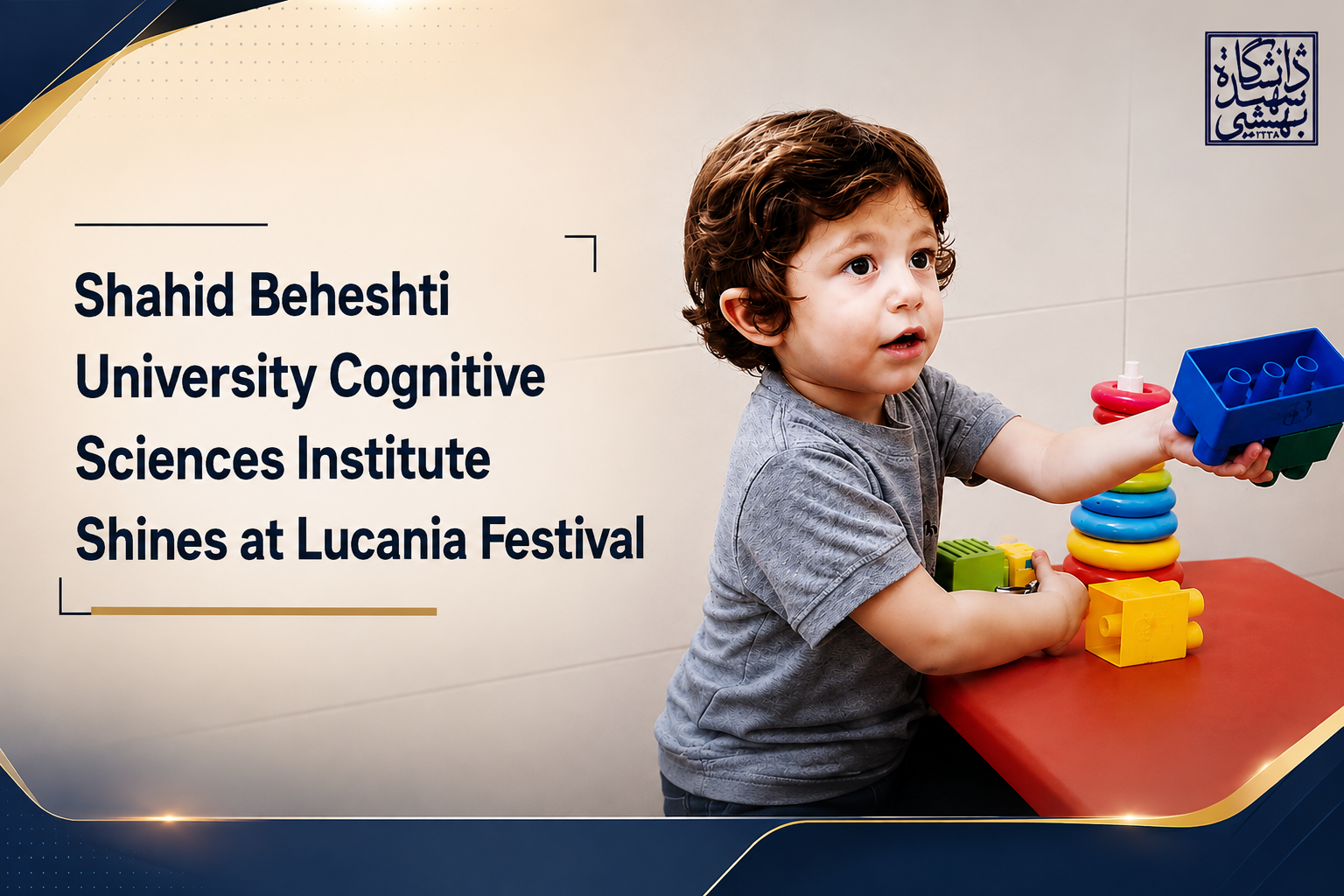
The documentary Digital Child, produced with the collaboration of the Institute for Cognitive and Brain Sciences at Shahid Beheshti University, has won the 2026 Pasolini Award at the Lucania Festival in Italy.
According to the Public Relations Office of Shahid Beheshti University, Digital Child, directed by Mohammad Ahmadi and produced in collaboration with the Institute for Cognitive and Brain Sciences at Shahid Beheshti University and the Tehran Autism Center, has received the 2026 Pasolini Award at the Lucania Festival in Italy. The achievement once again highlights the university’s scientific and research capabilities in the fields of cognitive sciences and child neurodevelopment on the international stage.
Focusing on the consequences of children’s early and prolonged exposure to digital devices and media, including smartphones, tablets, and television, the documentary examines the effects of excessive screen use on children’s neurodevelopment, drawing on research findings and the clinical experience of specialists.
The scientific development and guidance of the documentary involved Professor Hamid Reza Pourahmad, founder of the Institute for Cognitive and Brain Sciences at Shahid Beheshti University and the Tehran Autism Center; Dr. Saeed Sadeghi, Head of the Cyberpsychology Laboratory at the Institute for Cognitive and Brain Sciences; and Dr. Monireh Mansouri, Head of the Animal Neurodevelopment Laboratory at the Institute. The project was also carried out with the participation of the Tehran Autism Center’s specialized team and the notable contribution of Dr. Sima Saniei.
Digital Child explores the impact of screen-use patterns on various aspects of child development, including cognitive and executive functions, communication and social skills, behavioral and emotional regulation, attention, and interaction with the environment. The documentary also emphasizes the importance of considering a child’s age, the duration and pattern of digital media use, and the extent to which digital devices replace real-life interactions, play, physical activity, and communication with parents and peers.
A key focus of the documentary is distinguishing autism spectrum disorder from certain developmental and behavioral symptoms and difficulties associated with excessive exposure to digital media. Accordingly, the diagnosis of developmental disorders requires a comprehensive professional assessment, and the presence or absence of a developmental disorder cannot be determined solely on the basis of a child’s use of smartphones, tablets, or television.
Receiving the 2026 Pasolini Award at the Lucania Festival represents an international achievement for the documentary and its production team, while also providing an opportunity to showcase Iran’s scientific and clinical capabilities in child neurodevelopment, autism-related research, and the study of digital media.
The collaboration between the Institute for Cognitive and Brain Sciences at Shahid Beheshti University and the Tehran Autism Center has brought together scientific research, clinical experience, and documentary storytelling. This interdisciplinary collaboration seeks to raise awareness among families, highlight the importance of managing children’s use of digital devices, and underscore the need for timely assessment and intervention.
Produced with the aim of raising Iranian families’ awareness of the potential consequences of excessive digital media use, Digital Child has been made freely available to the public.